top of page

JOURNAL


In today's ever-changing world, being a modern gentleman goes beyond traditional norms. It's about embracing your individuality and cultivating a sense of refined style that sets you apart from the crowd. At Modern Gentleman, we believe that your clothing choices reflect your personality and values. In this article, we'll explore how you can effortlessly exude elegance while staying true to your unique self.


1. Dressing with Confidence

Confidence is the key to making any outfit shine. Dressing with confidence means understanding your body type, personal preferences, and the occasion. Our curated collection of men's fashion apparel is designed to cater to diverse tastes, ensuring you find pieces that resonate with your style and boost your confidence.


"Style is knowing who you are, what you want to say, and not giving a damn." - Orson Welles

2. The Power of Tailoring

Tailoring is the secret weapon of the modern gentleman. A well-fitted suit or shirt can transform your entire look, projecting an air of sophistication and class. Whether you're attending a formal event or a casual gathering, our tailoring experts will guide you in finding the perfect fit, ensuring you leave a lasting impression wherever you go.


3.Embracing Timeless Classics

While fashion trends come and go, timeless classics never fade. From a crisp white dress shirt to a well-tailored blazer, these staples form the foundation of your wardrobe. Our collection features a carefully curated selection of classic pieces that effortlessly blend into any setting, allowing you to create versatile and refined ensembles.


4. Adding Personal Flair

Being a modern gentleman is about expressing your personality through your clothing. Don't be afraid to add personal flair to your outfits. Incorporate accessories that reflect your interests or hobbies, such as a stylish watch or a unique pocket square. It's the little details that make your style truly distinctive.


5.Grooming and Self-Care

Looking elegant goes hand in hand with grooming and self-care. A well-groomed appearance demonstrates attention to detail and respect for oneself and others. Explore our grooming tips and products to maintain a polished look that complements your refined style.


6. Building a Community of Elegance

Modern Gentleman is more than just a fashion destination; it's a thriving community of like-minded individuals on a journey of self-improvement. Join our forums and engage with fellow gentlemen to share your experiences, exchange style ideas, and support each other's growth.


Conclusion

Embrace your unique style with confidence and elegance. At Modern Gentleman, we are committed to helping you redefine what it means to be a gentleman in the modern world. Explore our collection of men's fashion apparel, discover timeless classics, and express your personality through your clothing. Together, let's cultivate a community of refined and sophisticated gentlemen, making a positive impact in today's evolving society.
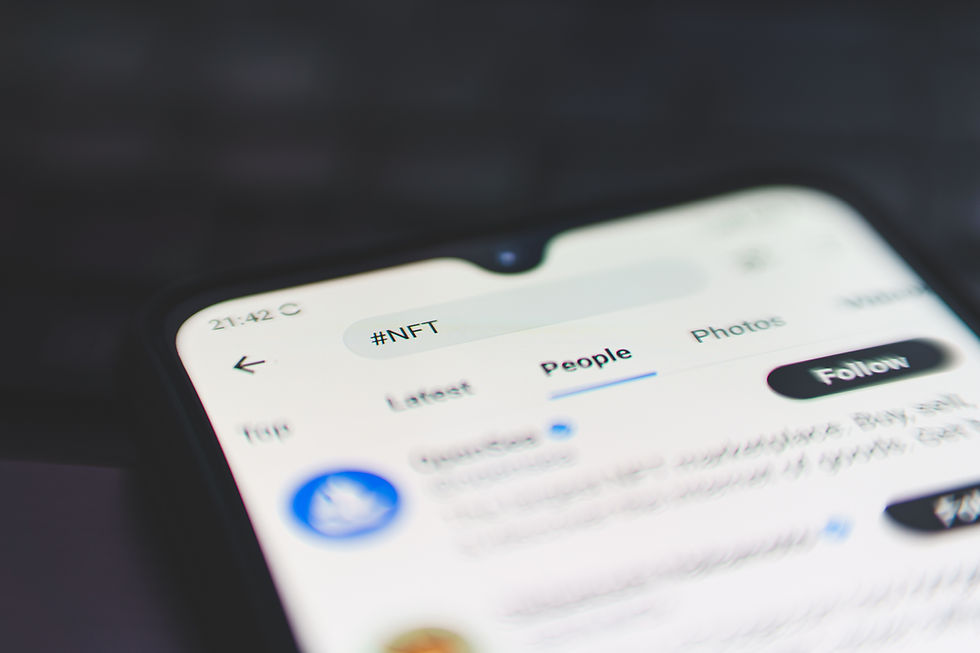


A non-fungible token (NFT) is a unique, unrepeatable and indivisible digital asset that, linked to the development of blockchain technology and can't be regular cryptocurrencies, as each NFT has a distinct value, hence non-fungible.


NFTs, which are unique digital assets that live on the blockchain, started to gain steam in the digital art world, but quickly expanded into luxury fashion, music, video games, social media and sports. Pop culture became saturated with NFTs throughout 2021, from X-ray images of William Shatner’s tooth, to a digital replica of Twitter founder Jack Dorsey’s first tweet and numerous memes preserved as NFTs.


Enter 2022, and NFTs are becoming even more mainstream. Samsung, for instance, unveiled plans to bring NFT marketplaces to its smart TVs ahead of the 2022 Consumer Electronics Show.


What’s the definition of an NFT?


NFT stands for a “non-fungible token,” which is guaranteed to be a one-of-a-kind digital asset that lives on the blockchain. The first NFTs were created in 2017 before the term even existed. Shortly after, crypto-kitties and crypto-sharks coined the term on the market and standardized Smart Contracts, a program that runs on the Ethereum blockchain which is like a “paper contract operated by a computer,” said Calderon.


“I think if there's a single takeaway, for the first time in history, we're able to prove that we own a digital asset,” he added.


How is an NFT different from Cryptocurrency?


NFT stands for non-fungible token. It’s built using the same kind of programming as cryptocurrency, like Bitcoin or Ethereum, but that’s where the similarity ends.

Physical money and cryptocurrencies are “fungible,” meaning they can be traded or exchanged for one another. They’re also equal in value—one pound is always worth another pound; one Bitcoin is always equal to another Bitcoin. Crypto’s fungibility makes it a trusted means of conducting transactions on the blockchain.

Each has a digital signature that makes it impossible for NFTs to be exchanged for or equal to one another (hence, non-fungible).


How do NFTs work?


At a very high level, most NFTs are part of the Ethereum blockchain. Ethereum is a cryptocurrency, like Bitcoin or Dogecoin, but its blockchain also supports these NFTs, which store extra information that makes them work differently from an ETH coin.


What’s the point of NFTs?


That really depends on whether you’re an artist or a buyer.


I’m an artist.

You might be interested in NFTs because it gives you a way to sell work that otherwise might not be much of a market for.


Also, NFTs have a feature that you can enable that will pay you a percentage every time the NFT is sold or changes hands, making sure that if your work gets popular and appreciates in value.


I’m a buyer.

One of the obvious benefits of buying art is it lets you financially support artists you like, and that’s true with NFTs (which are way trendier than, like, Telegram stickers). Buying an NFT also usually gets you some basic usage rights, like being able to post the image online or set it as your profile picture. Plus, of course, there are bragging rights that you own the art, with a blockchain entry to back it up.


I’m a collector.

NFTs can work like any other speculative asset, where you buy it and hope that the value of it goes up one day, so you can sell it for a profit.


Is every NFT is unique?


In the boring, technical sense that every NFT is a unique token on the blockchain. But while it could be like a Picasso where there’s only one definitive actual version, it could also be like a trading card, where there’s 50 or hundreds of numbered copies of the same artwork.


Who would pay hundreds of thousands of pounds for what basically amounts to a trading card?


Some people treat them like they’re the future of fine art collecting


(read: as a playground for the mega-rich), and some people treat them like Pokémon cards (where they’re accessible to normal people but also a playground for the mega-rich).


What are the most popular NFT marketplaces?

Once you’ve got your wallet set up and funded, there’s no shortage of NFT sites to shop. Currently, the largest NFT marketplaces are:

OpenSea.io: This peer-to-peer platform bills itself a purveyor of “rare digital items and collectibles.” To get started, all you need to do is create an account to browse NFT collections. You can also sort pieces by sales volume to discover new artists.

Rarible: Similar to OpenSea, Rarible is a open marketplace that allows artists and creators to issue and sell NFTs. RARI tokens issued on the platform enable holders to weigh in on features like fees and community rules.

Foundation: Artists must receive “upvotes” or an invitation from fellow creators to post their art. The community’s exclusivity and cost of entry—artists must also purchase “gas” to mint NFTs—means it may boast higher-calibre artwork. For instance, Nyan Cat creator Chris Torres sold the NFT on the Foundation platform.

It may also mean higher prices — not necessarily a bad thing for artists and collectors seeking to capitalise, assuming the demand for NFTs remains at current levels, or even increases over time.


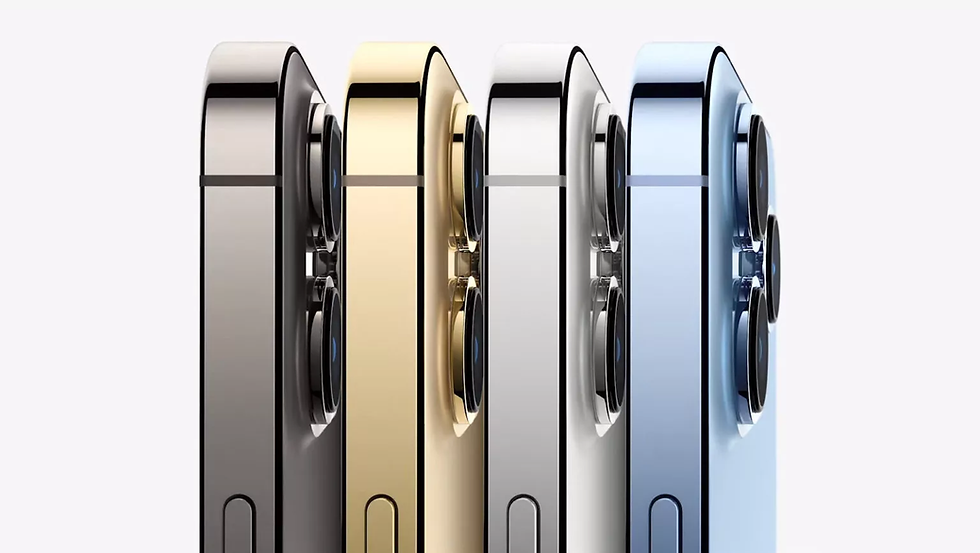
After months of rumours, Apple has finally announced the iPhone13, succeeding the iPhone 12 series released last year.


A light update from last year’s iPhone 12, the new devices feature upgraded cameras and the company’s latest A15 chip, which it says is up to 50% faster than the competition.


The iPhone 13 family includes four models: iPhone 13, iPhone 13 mini, iPhone 13 Pro and iPhone 13 Pro Max – all feature the new processor, which Apple said would help users “absolutely fly through demanding workloads smoothly and efficiently”.

As far as battery life goes, all four phones also feature larger batteries, which the company says combined with the more power-efficient chip offers between 1.5 and 2.5 hours more use each day.

“iPhone 13 has a faster chip, faster 5G speeds, a brighter OLED display and the most advanced dual camera system ever in an iPhone, and with all these upgrades the iPhone 13 has a better battery life,” Apple’s vice-president Kaiann Drance said.

The upgraded cameras have enabled a reduction in the “notch” on the front of the devices, shrinking the black bar by 20%, and as for video, Apple is making a big deal out of its Cinematic mode that lets you selectively adjust focus and depth of field when post-processing, like Portrait mode for photos. The 13 Pro, meanwhile, lets you record and edit video in Apple’s ProRes codec on the phone itself, or you can export the ProRes file to Final Cut Pro on a Mac.


The iPhone 13 Pro and Pro Max contain three cameras and what Apple calls "its most advanced camera system yet".

Its premium models include a Super Retina XDR display and ProMotion - which delivers adaptive refresh rates of up to 120Hz. This allows for smoother scrolling, animations, and gameplay.


The iPhone 13 mini starts at £679, with the iPhone 13 starting at £779. The iPhone 13 Pro starts at £949, and the larger Pro Max £1,049.


The iPhone 13 was one of many reveals as part of Apple's "California Streaming" event.


FAQs
Q: Do the Apple iPhone 13 devices have fingerprint sensors? A: No. This was rumoured for a few months but it didn’t come to be. The lone biometric security system of these phones is Face ID.

Q: Are the iPhone 13 phones water-resistant? A: Yes, all four models are IP68-rated against water and dust.

Q: Will cases for the iPhone 12 series fit the iPhone 13 series? A: No. Although the phones are about the same size as last year, the rear camera modules have been slightly redesigned. Therefore, cases from last year’s models won’t fit correctly.


bottom of page