top of page

JOURNAL

Updated: Jan 31, 2021

We have picked the ultimate top 10 Christmas gifts for men that caters for all tastes and predilections. Proving it’s a myth that finding Christmas gifts for him is an impossible task, which is perfect if you’re buying for someone else or simply drawing up your own list for Santa Claus. Running the gamut from gentlemanly essentials to down-to-earth delights, we hope you find something you like......


1. Masterclass annual subscription

Ever wanted to learn to cook from Gordon Ramsay? How to make films from Martin Scorsese? Maybe you’ve always wanted to learn to write with Malcolm Gladwell or Margaret Atwood? If you or anyone you know ever felt in need of advice from industry titans to get better at a side hustle or hobby, Masterclass is an ideal gift. From £14.17 per month. masterclass.com


2. Aesop Post-Poo Drops

You can unwrap all the face cream, body wash and aftershave you like, but none will stand up to the challenge of Boxing Day morning quite as efficiently as Aesop's Post-Poo Drops. Instilling your bathroom with a delicate and neutralising smell in no time, like the Australian label's hand soap and hand cream duo, it comes with the added bonus of sitting very pretty on your sink-side, too. £20 for 100ml. At mankind.co.uk



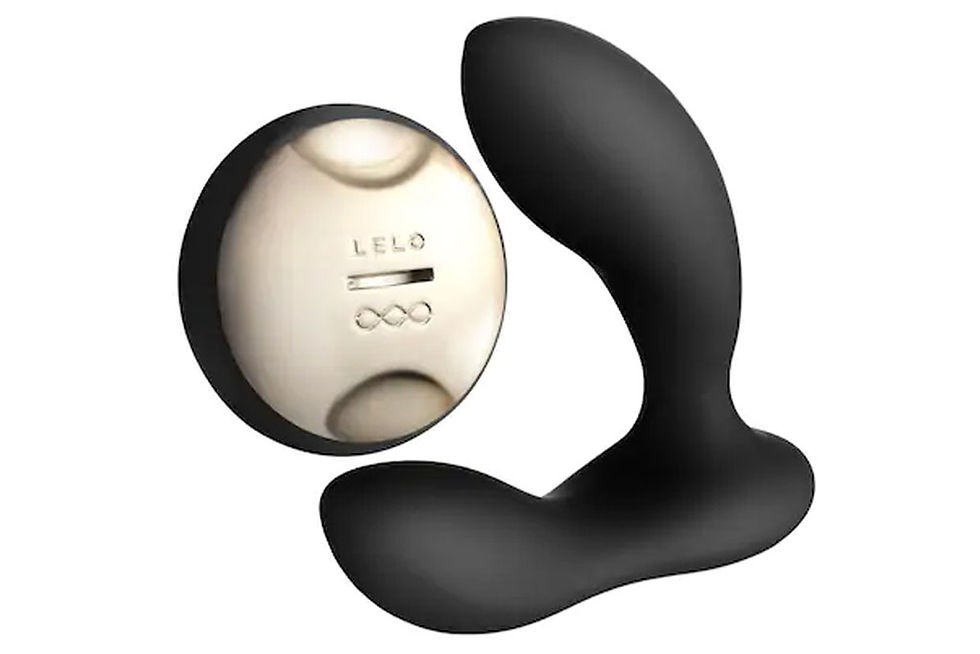
3. Lelo Hugo prostate massager

You can't argue with the figures. Sales of men's sex toys are up exponentially this year, which likely means that Santa is getting some decidedly more X-rated wishlists. Lelo produces some of the best on the market, both in terms of their tech and their luxurious feel. The Hugo is its bestselling prostate massager, with two powerful motors and a remote control for its user or a partner to adjust myriad vibration and intensity settings. Perhaps best to omit this one from under-the-tree fare, lest a great aunt mistake the name on the card. £135. lelo.com


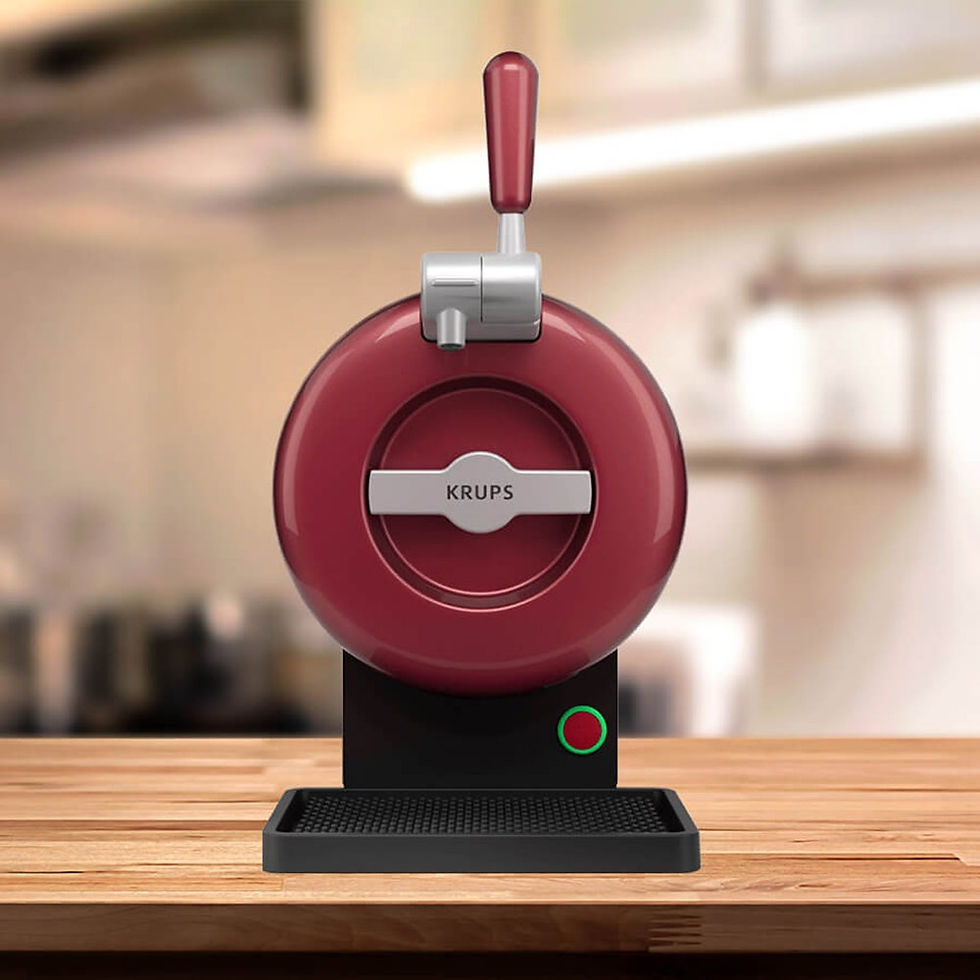
4. Beerwulf The Sub

Get ahead of pub curfews by bringing the beer tap home this Christmas. The Sub holds two litres of your favourite beer at an optimal 2C, for up to 15 days, ensuring that when you're booted out of the bars, the party will go on at home. £99. beerwulf.com


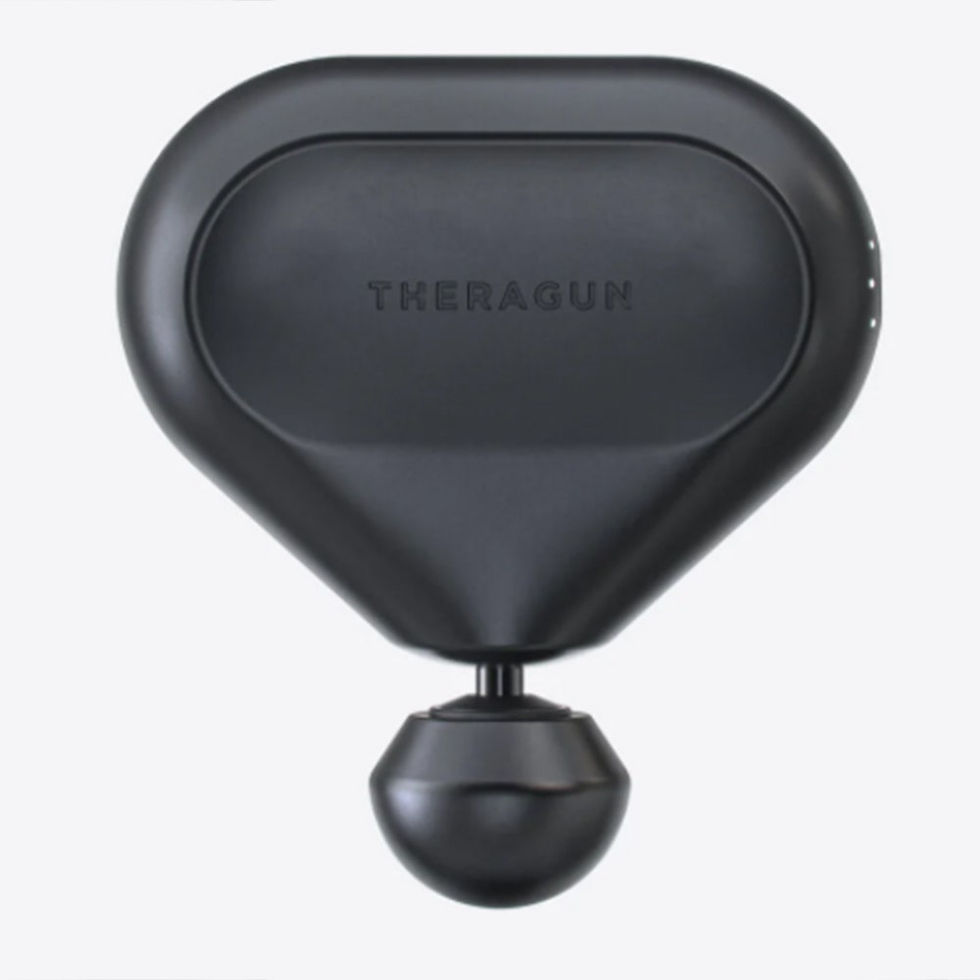
5. Therabody Theragun Mini

It's been a long year of working from home with a severely compromised posture, making the humble home massage device all the more appealing this year. Therabody's Theragun is the market leader, and the miniature version isn't just a more affordable alternative to the better-known drill-like device, but is easily stowed in a gym bag (to aid recovery post-session) or a weekend bag (to untie knots post-journey). £175. theragun.com


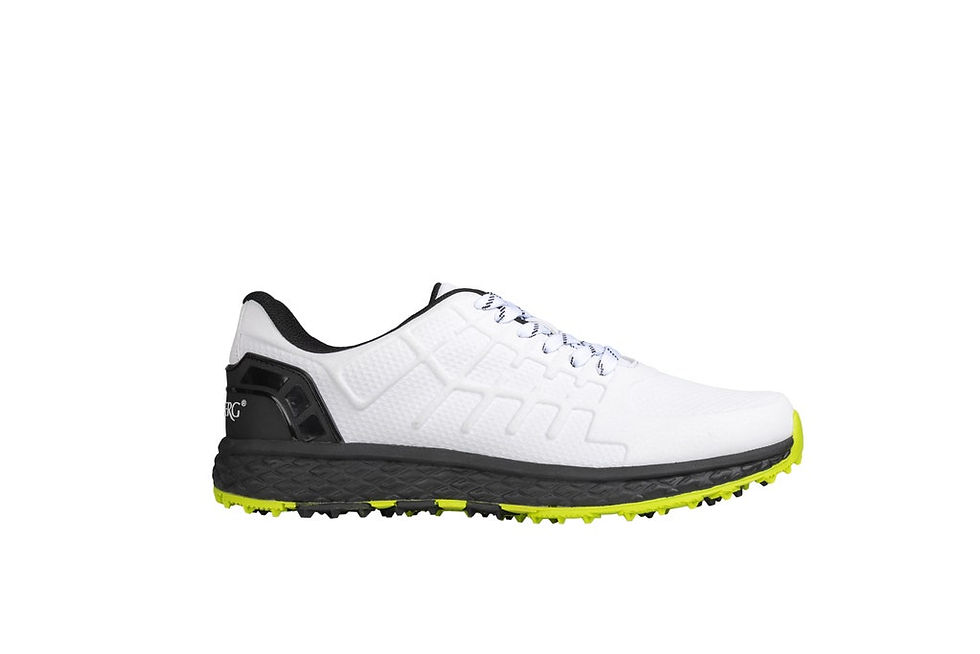
5. Stromberg Razor shoes

Now Donald Trump’s been decisively booted out of the Oval Office, it’s time to make golf cool again – and there’s no better place to start than with the very best gear. Whack on a pair of Stromberg’s spike-less golf shoes and you’ll get excellent traction during your drive – spike-less soles are practically on a par with spikes, these days – without angering the club management by tearing great gashes into their greens with your feet. £74.99. At americangolf.co.uk


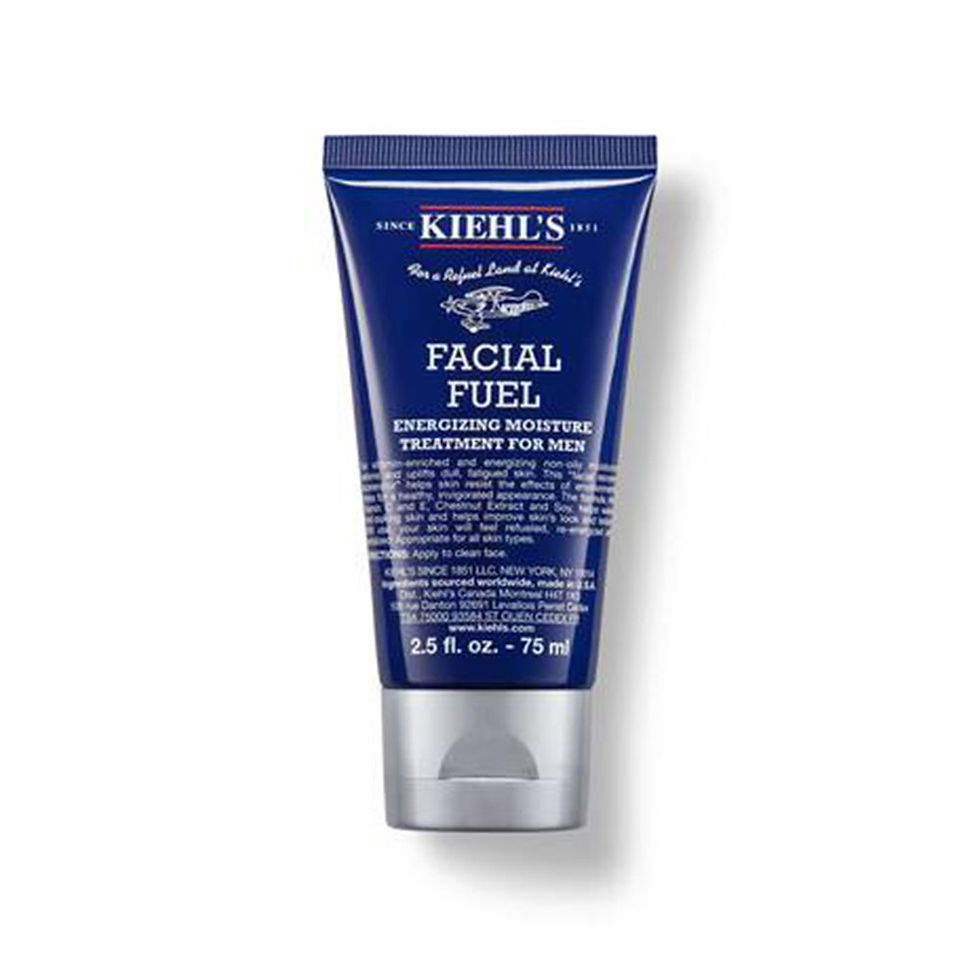
6. Kiehl’s Facial Fuel Energizing Moisture Treatment For Men

You don't have to delve too deep into the specific skin type of your recipient at hand in order to count on Kiehl's Facial Fuel range do a great job. The invigorating formula is a bestseller for the grooming brand for good reason, uplifting tired-looking skin while controlling shine with a mix of caffeine, vitamin C and chestnut extract. £22 for 75ml. kiehls.co.uk

7. Lego Creator 10262 James Bond Aston Martin DB5

If, like us, you're buying for a man who has bemoaned the delayed release of the next Bond film ever since its first bump, this ought to keep him happy until the latest April 2021 release date. Lego has immortalised Bond's iconic Aston Martin DB5 in brick form, complete with rotating licence plate, raisable bulletproof shield, pop-out front machine guns and tire-slashing scythes. £129.99. At John Lewis. johnlewis.com


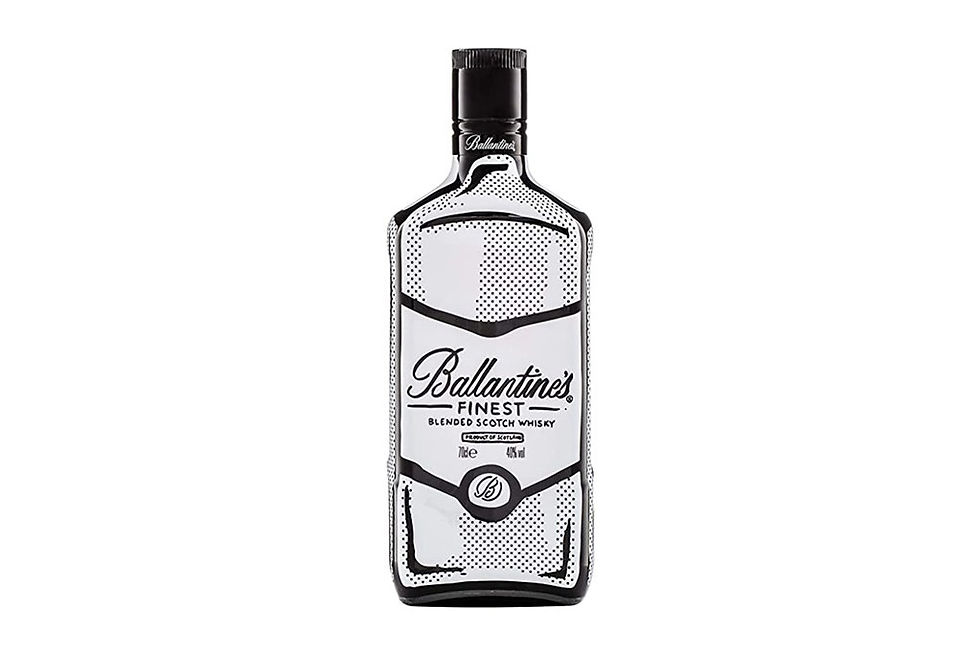
8. Ballantine’s Finest Blended Whisky Joshua Vides Edition

A collaborator of brands from Nike to Fendi, renowned black and white artist Joshua Vides has lent his iconic comic book-style design to a bottle of Ballantine’s this Christmas, for a spirit that'll look particularly striking on his bar cart. The partnership is all about breaking with whisky's traditional codes, with Vides also creating striking speakeasy drinking experiences in secret locations around the world. £26.12. At amazon.co.uk


9. Gingerlily Man Mulberry Silk Pillowcase

If you're buying for a man who takes his skin and haircare particularly seriously, you won't find the missing product to his comprehensive nighttime routine in a bottle. Gingerlily's mulberry silk pillowcases don't just make for a softer place to rest your head when you go to bed, the silk contains the same naturally occurring proteins as hair, which helps reduce friction and moisture loss while you sleep, thus ensuring he's not waking up with a brittle barnet. £60. gingerlilylondon.com



10. Modern Gentleman Winter Hoodie Sweatshirt

When it comes to men's hoodies and sweatshirts, we obsess over these casual, comfy styles. Our range of mens hoodies offers a style for every occasion, especially during those chilled winter weekends. £59 Modern-Gentleman.com






It might seem strange to be making predictions about 2021, when it’s far from certain how the remainder of 2020 is going to play out. No-one foresaw the world-changing events of this year, but one thing is clear: tech has been affected just as much as every other part of our lives.


Another thing that is clear is that today’s most important tech trends will play a big part in helping us cope with and adapt to the many challenges facing us. From the shift to working from home to new rules about how we meet and interact in public spaces, tech trends will be the driving force in managing the change.

In many ways, Covid-19 will act as a catalyst for a whole host of changes that were already on the cards anyway, thanks to our increasingly online and digital lives. Things will just happen more quickly now, with necessity (long acknowledged as the mother of invention) as the driving force. Some will play their part in helping us to recover "normality" (whatever that means), while some of them will make it easier for us to understand and navigate a changed reality.


1. Artificial Intelligence (AI)

AI is undoubtedly one of the biggest tech trends at the moment, and during 2021 it will become an even more valuable tool for helping us to interpret and understand the world around us. The volume of data we are collecting on healthcare, infection rates, and the success of measures we take to prevent the spread of infection will continue to increase. This means that machine learning algorithms will become better informed and increasingly sophisticated in the solutions they uncover for us. 


During 2021 we can expect the tools we use to analyze these behavioral shifts to become more sophisticated and increasingly fit the budget and infrastructure requirements of more and more organizations.


2. Robotics, Drones, and Vehicle Automation

As the volume of passengers using public transport fluctuates from week to week, depending on local conditions, initiatives around self-driving vehicles will continue at an increasing pace. Driving efficiency across public transport networks will be a priority for service providers as well as civic authorities, where reducing human labor costs will help balance the uncertainty around customer demand.


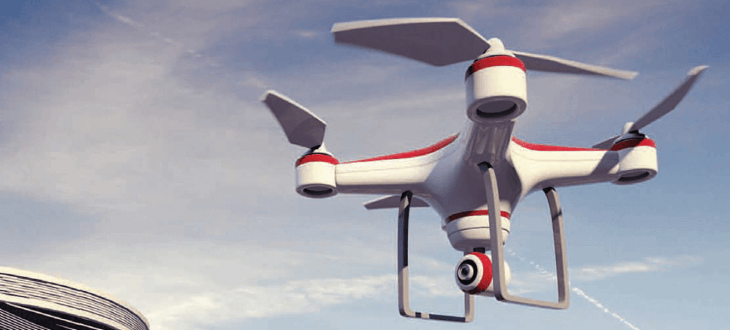
Drones will be used to deliver vital medicine and, equipped with computer vision algorithms, used to monitor footfall in public areas in order to identify places where the re is an increased risk of viral transmission.


3. The As-A-Service Revolution

“As-a-service” – the provision of services that we need to live and work through cloud-based, on-demand platforms – is the key that has put the other tech trends we talk about today in reach of anybody. It’s the reason why AI and robotics are a possibility for just about any business or organization, regardless of their size or budget.


As the ongoing pandemic rages around the world, we have clearly seen that companies that rely on cloud to provide scalable solutions as-a-service are prospering. In 2021 and beyond, this is going to become increasingly important and more possibilities will open up for everyone.  


4. 5G and enhanced connectivity

Faster and more reliable internet doesn't just mean we can load webpages more quickly and spend less time waiting for videos to launch on Youtube. Each successive advance in mobile connectivity from 3G onwards has unlocked new use cases for the internet.

5G means that services relying on advanced technologies such as augmented reality and virtual reality (discussed below) as well as cloud-based gaming platforms like Google's Stadia or NVidia's GeForce Now become a viable proposition, anywhere at any time.


In short, 5G and other advanced, high-speed networks make all of the other trends we discuss here available anywhere, any time. Complex machine learning applications relying on real-time access to Big Data sources can be conducted in the field, via automation.


Initiatives like this will become increasingly important during 2021, where businesses look to increase automation across their workforces.


5. Extended Reality (XR) – Virtual and Augmented Reality (VR/MR).

These terms cover technology that uses glasses or headsets to project computer-generated imagery directly into the user's field of vision. When it is superimposed over what the user is viewing in the real world, it is AR. And when it is used to place the user into an entirely computer-generated environment, it is VR.


We will also see an increase in the use of VR and AR tools within education. This will reduce the need for us to work in crowded classroom conditions – if not totally, then at least in areas and during times when it is known that transmission rates are high.


And as more data on the conditions and manner in which viral transmission takes place becomes available, AR tools will be used to give out real-time warnings when we move through areas where the infection is known to have spread. Even simple steps like reminding us to wash our hands when we touch a door handle in a public space or issuing an alert when a device senses that we have touched our face without washing our hands, could help to save lives and stop us spreading illness around the real-word environments we inhabit and move through.


Despite what most might think, a university degree doesn’t always equate to success – and not having one doesn’t mean you’re a failure either. As these businessmen show, their lack of a degree didn’t hinder them from becoming some of the most successful entrepreneurs in history.


Matt Mullenweg

Matt Mullenweg started WordPress, which now powers around 35% of the web, despite having dropped out of the University of Houston in favour of working at CNET Networks. Two year later he founded Automattic, the business behind WordPress.com, Akismet, Gravatar, Tumblr and more household internet brands. He currently manages the WordPress Foundation.


Mark Zuckerberg

Mark Zuckerberg, one of the most recognised names in tech, built Facebook into the world’s largest social network. Zuckerberg dropped out of Harvard in 2004, during his sophomore year, to work on Facebook full-time and remains its CEO to this day. He is now worth an estimated $86.3 billion.


David Karp

David Karp created Tumblr (which at its peak gained more than 500 million monthly users) despite never even graduating high school. He dropped out of Bronx Science high school in 2001 to be home schooled, and never received a high school diploma, instead working his way up through various tech firms until launching Tumblr in 2007. The platform was sold to Yahoo! in 2013 for a reported $800 million,


Pete Cashmore

At just 19, Pete Cashmore founded the hugely popular blog Mashable, but never attended college. Not having a college degree didn’t seem to affect this Scottish businessman though – Mashable was sold to Ziff Davis in 2017 for $50 million and, having left the company in 2018, Cashmore is estimated to be worth around £90 million.


Daniel Ek

At just 21, Daniel Ek co-founded Spotify after abandoning his degree in engineering at the Royal Institute of Technology in Sweden after just eight weeks. The company now has more than 217 million users worldwide and Ek, often referred to as the most powerful person in the music industry, is worth £4.5 billion.


Evan Williams

Co-founder and former CEO of Twitter, Evan Williams went to the University of Nebraska for only a year and a half before leaving to pursue a career in information systems. In 2006 he co-founded Twitter and later went on to start publishing platforms Blogger and Medium – he is now worth $2.2 billion.


Bill Gates

The billionaire co-founder of Microsoft, Bill Gates, dropped out of Harvard to focus on building his company. Proving that degrees aren’t always necessary, Bill Gates was consistently named the world’s richest man between 1995 and 2017, when he was overtaken by Amazon founder Jeff Bezos.


Richard Branson

Another example of a billionaire ‘drop-out’, Sir Richard Branson is one of the world’s most famous businessmen. The owner of Virgin dropped out of school at just 16 to start Student magazine, his first successful business venture. He bought his own Caribbean island when he was 24, was knighted in 1999 and is now said to be worth $4.1 billion.


Steve Jobs

Steve Jobs is another household name that will always wave the flag for college drop-outs. The late billionaire co-founder of Apple Inc. and Pixar dropped out of Reed College to start Apple after just 6 months – and we don’t need to tell you how well that worked out for him.


Steve Wozniak

Like his Apple co-founder (above), Steve Wozniak isn’t the proud owner of university degree. In fact he was expelled from his first college, the University of Colorado Boulder, for hacking the college’s computer system and later dropped out of Berkeley to work at Hewlett-Packard. He now sits on an estimated net worth of $100 million.


Walt Disney

Founder of the Walt Disney Company, Walt Disney (centre) himself dropped out of high school at 16 to join the war effort, eventually gaining his first job as a commercial illustrator at 18. He remains the record holder for most Academy Awards won by an individual – holding 22 from 59 nominations.


bottom of page